
Real estate investment in Bengaluru continues to attract homebuyers and investors from across India. Known as the country’s technology capital, the city offers strong employment opportunities, modern infrastructure, and a steadily growing population.
Over the past decade, Bangalore has seen consistent growth in housing demand. Expanding tech corridors, new metro lines, and improving connectivity have opened up several emerging residential locations across the city. But what is really shaping real estate investment in Bangalore today are a few key trends. Understanding these trends can help buyers and investors make more informed property decisions.
Key Trends Shaping Real Estate Investment in Bangalore
1. Rising Demand for Spacious Homes
One of the biggest shifts in buyer preferences is the demand for larger homes. Many families now prefer properties that offer more space, better ventilation, and access to outdoor areas.
The hybrid work culture has also influenced this trend. Homebuyers are now looking for extra rooms that can be used as workspaces or study areas. Because of these changing needs, modern villa projects in Bangalore are gaining popularity among buyers who want privacy, comfort, and long-term value.
2. Growing Popularity of Villa Communities
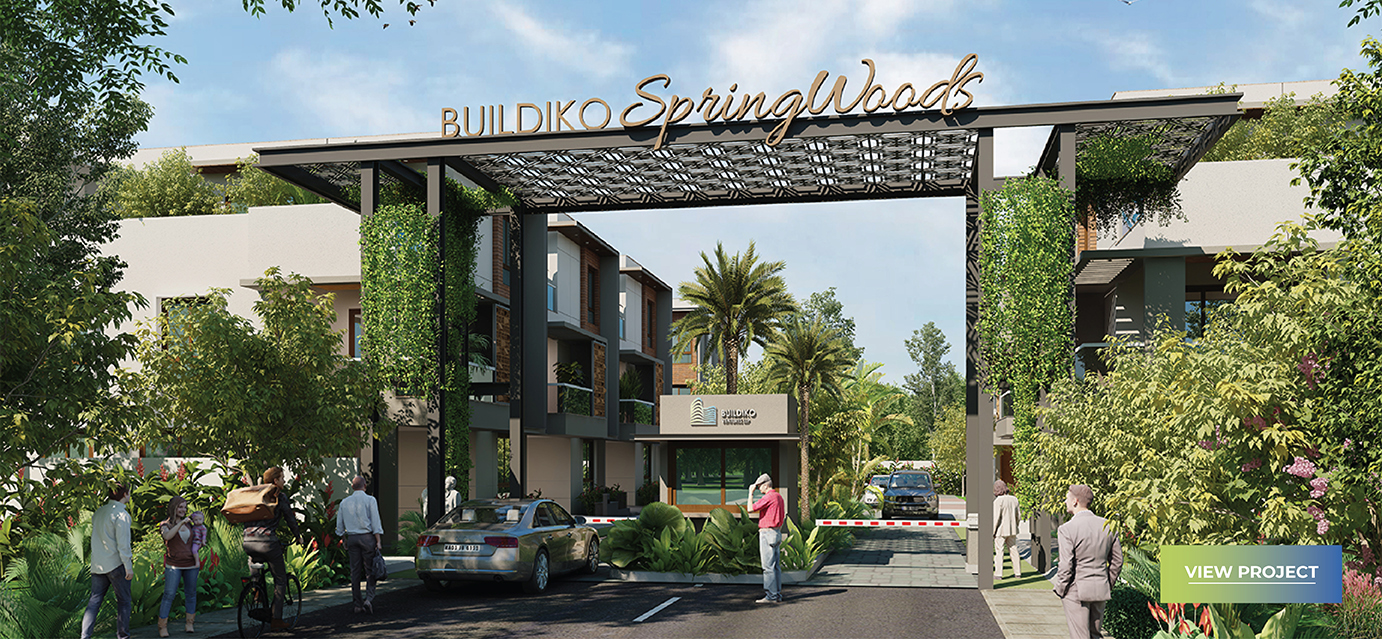
Another major trend is the increasing demand for villa communities in Bangalore. These developments combine the benefits of independent homes with the safety and amenities of gated living. Villa communities typically offer:
- Private gardens
- Clubhouses
- Private parking
- Recreational spaces
- 24/7 security
- Private Coutryward
Many families prefer gated villa communities because they provide both privacy and a strong sense of neighbourhood living. In a growing city where land availability is limited, villas also tend to hold their value well over time.
3. Emerging Locations Becoming Investment Hotspots
As Bengaluru expands, several new micro-markets are becoming attractive investment destinations. One such rapidly developing location is Sarjapur. Located in the southeastern part of the city, Sarjapur offers excellent connectivity to major IT hubs such as:
- Outer Ring Road
- Electronic City
- Whitefield
With improving roads, social infrastructure, and upcoming developments, demand for villas in Sarjapur has been steadily rising. For investors, entering emerging locations early often leads to stronger long-term appreciation.
4. Infrastructure Driving Property Value
Infrastructure development plays a major role in shaping property markets. In Bangalore, several projects are improving connectivity across the city:
- Metro network expansion
- Peripheral Ring Road development
- Road upgrades connecting tech corridors
Better connectivity reduces travel time and increases the attractiveness of nearby residential areas. As infrastructure continues to improve, locations that were once considered far from the city centre are now becoming desirable residential destinations.
5. Long-Term Investment Potential
For many buyers, villa investment in Bangalore is viewed as a long-term asset. The city’s strong technology ecosystem continues to attract professionals from across India. This steady population growth creates consistent demand for housing. In addition to property appreciation, investors may also benefit from rental demand in areas close to employment hubs.
With strong economic growth and expanding infrastructure, Bangalore continues to remain one of India’s most promising real estate markets.
Bangalore vs Delhi: Comparing Key Real Estate Locations
To understand why Bangalore is becoming one of India’s most attractive investment destinations, let’s compare the growth of property values in top Bangalore locations with top locations in Delhi NCR over the last 5 years.
Location | Price Growth Over Last 5 Years* | Average Price Today (₹/sq.ft) | Key Growth Drivers | Location | Price Growth Over Last 5 Years* | Average Price Today (₹/sq.ft) | Key Growth Drivers |
Sarjapur, Bengaluru | ~35–45% (estimate based on city trends) | ₹6,500–7,500 | IT corridor connectivity, villa developments | Gurgaon, Delhi NCR | ~25–35% (estimate) | ₹9,000–10,000 | Corporate hubs, premium demand |
Whitefield, Bengaluru | ~30–40% (estimate) | ₹7,000–8,500 | Tech parks, improved connectivity | Noida, Delhi NCR | ~20–30% (estimate) | ₹8,000–9,500 | Expressway connectivity, infrastructure |
Electronic City, Bengaluru | ~30–40% (estimate) | ₹5,500–6,500 | Major tech companies, affordability | Greater Noida, Delhi NCR | ~15–25% (estimate) | ₹7,000–8,000 | Industrial development |
Devanahalli, Bengaluru | ~30–40% (estimate) | ₹5,000–6,500 | Airport corridor growth, infrastructure | Dwarka, Delhi NCR | ~15–25% (estimate) | ₹7,500–8,500 | Residential expansion, connectivity |
Source: Data compiled from industry reports and market insights by geosquare.in and nobroker.in (2025 real estate market trends).
Why Bangalore Outperforms Delhi NCR Locations
Bangalore’s real estate market has been consistently outperforming Delhi NCR in recent years, particularly in terms of price growth and investment potential. According to recent industry reports, average residential property prices in Bengaluru increased by about 13% in 2025 to around ₹8,533 per sq.ft, driven largely by demand from IT professionals and expanding infrastructure.
In comparison, the Delhi NCR market recorded about 6% growth during the same period, reaching an average price of roughly ₹8,570 per sq.ft. While NCR locations such as Gurgaon and Noida have higher absolute property prices, several emerging Bangalore micro-markets like Sarjapur, Whitefield, and Devanahalli are witnessing faster appreciation due to strong connectivity to technology hubs and ongoing infrastructure development.
This combination of relatively lower entry prices and stronger growth momentum makes Bangalore an attractive option for investors looking for long-term real estate value.
Key Takeaway: Even though Delhi NCR has higher absolute prices, Bangalore delivers better percentage growth, more affordable options, and strong long-term potential, making it the preferred choice for many investors and homebuyers.
Conclusion
The real estate market in Bengaluru continues to evolve as infrastructure development, employment opportunities, and lifestyle preferences shape the city’s growth. Emerging locations such as Sarjapur are gaining attention due to their connectivity, development potential, and growing demand for spacious homes.
For investors and homebuyers, understanding these trends can help identify promising opportunities within the city’s expanding property market. As the demand for larger homes and well-planned developments continues to rise, villa communities in Bangalore are becoming an increasingly attractive option for those looking to invest in Bangalore’s future real estate.